
🎵 The Case for Expanding Basic Income for the Arts
There’s a quiet heartbreak many of us felt when the Basic Income for the Arts (BIA) pilot launched in 2022. I was among the thousands who applied, qualified, and were deemed eligible. But then came the randomised selection — a gold-standard method for policy testing, perhaps, but also a coin toss that left many of us outside the gate. I was not selected for the pilot, nor for the control group. I was left in a limbo: qualified, but not included. This blog is for those like me.
And now, in 2025, a new report confirms what we artists have long known: the return on investment in the arts is far greater than the cost.
🧰 My Work Is Artistic Work
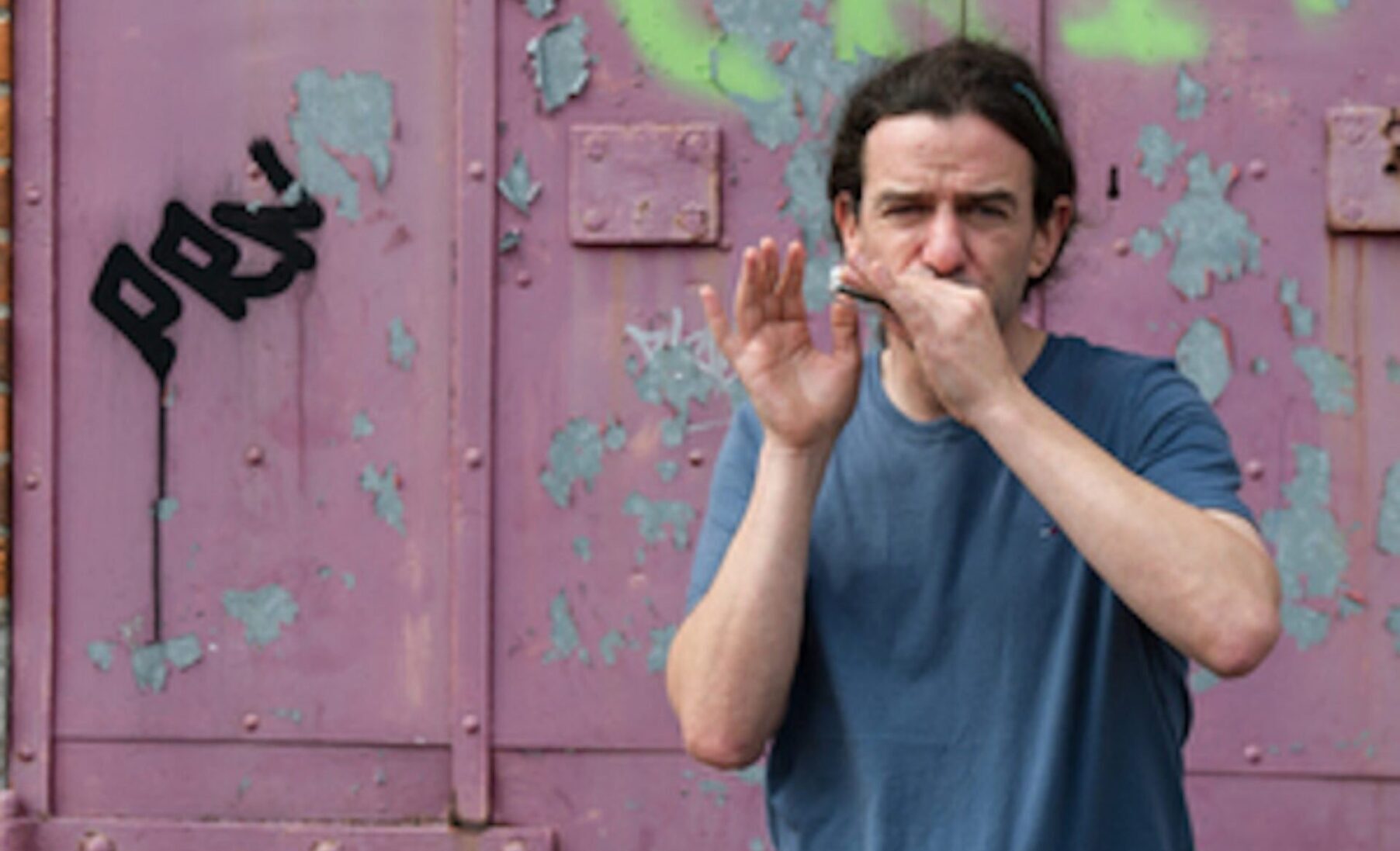
In my daily work, I tune reeds, restore instruments, teach, perform, and research traditional music and instrument history. I recycle harmonicas by repairing and restoring old harmonicas, reviving forgotten models, and customising both new and vintage instruments. Sometimes this extends to accordions and concertinas. I help students and audiences connect with Irish musical traditions. It’s hands-on work. It’s cultural work. And it’s deeply artistic — the kind of living, breathing tradition that Ireland prides itself on.
I participate in Culture Night, offer harmonica workshops, teach students of all ages, and collaborate across disciplines. I’ve even refused performance offers when fees couldn’t justify the travel costs or exhaustion. That, too, is part of the current reality: we are working artists who can’t always afford to work.
📊 The Economic Case
The BIA pilot costs €35 million per year to support 2,000 artists at €325/week. Of that, at least 40% (€14 million) is reinvested directly into the Irish arts economy — through gig payments, studio hire, materials, and collaboration.
But the real return is far greater:
- More artworks created (on average 4 more pieces every 6 months per artist)
- Improved mental health and sleep
- Higher participation in training and courses
- Stronger engagement with communities and schools
- Lower dropout rates from the arts
These are social returns that ripple far beyond the artists themselves. As the Department noted: “About 40% of BIA income is reinvested back into the arts sector.” (Dáil Debate, 15 May 2025)
Back in 2011, Indecon International reported that the arts generated over €700 million in gross value added to the Irish economy, supporting 21,000 full-time jobs and contributing over €300 million in taxes (Indecon Report 2011). The arts give more than they take — and they have for decades.
According to the Arts Council’s 2023 Annual Report, the core funding allocation for arts was €143 million — nearly all of which directly supported artists and public programming. If the Basic Income for the Arts were expanded to €140 million annually to support the wider applicant pool, the overall cultural investment would approach €280 million. Even then, Ireland would still be spending less than 0.5% of the national budget on arts and culture — a figure below the 1% GDP benchmark set by leading cultural nations in Europe. The capacity for expansion exists, and the return on that expansion, as history shows, would far outweigh the spend.
💔 A Divided Community
The recent BIA Interviews Report (2025) revealed a difficult truth:
“Recipients found it difficult that some applicants received the payment while others did not… It was challenging to navigate relationships and conversations with those not in receipt of the BIA.”
This wasn’t jealousy — it was grief. Artists working side-by-side were separated not by merit, but by randomisation. Some recipients described keeping their participation quiet, while others found it awkward or painful to discuss. We are, after all, part of a shared cultural fabric. When half of the fabric is fraying, the gestalt is weakened.
This has also raised difficult questions about fairness. The scheme rightly avoids means-testing to uphold the dignity of all creative work — and this includes those who may already be financially secure. But that very universality, while noble in design, has unintentionally excluded many artists living in true precarity. In future iterations, Ireland might consider ethical opt-outs, weighted lotteries, or tiered supports — to ensure that those most in need are not overlooked again. That would be a fairer way to preserve the spirit of the scheme while healing the divisions it has unintentionally caused.
📢 Where We Go From Here
The NCFA (National Campaign for the Arts) is now campaigning for the expansion and retention of BIA beyond 2025. They’ve called for the inclusion of those who were eligible but not selected — the Wider Applicant Pool (WAP).
What You Can Do:
- 📅 Attend the NCFA online sector meeting: 19th June, 12pm
- 📝 Write to your TDs and Minister Patrick O’Donovan
- 📢 Use your voice on social media
This scheme must be expanded. Not just to honour fairness — but because it works. The research is done. The impact is undeniable. And with over 40% of the funding cycling directly back into the arts economy, this is not just a cultural investment — it’s smart economics.
If Ireland truly values its artists, it must ensure the scheme lives on — and grows.
Yours in music, craft, and culture,
Cathal Johnson
Harmonicas Ireland
